
RetroGuard™
Acid & Stain Protection


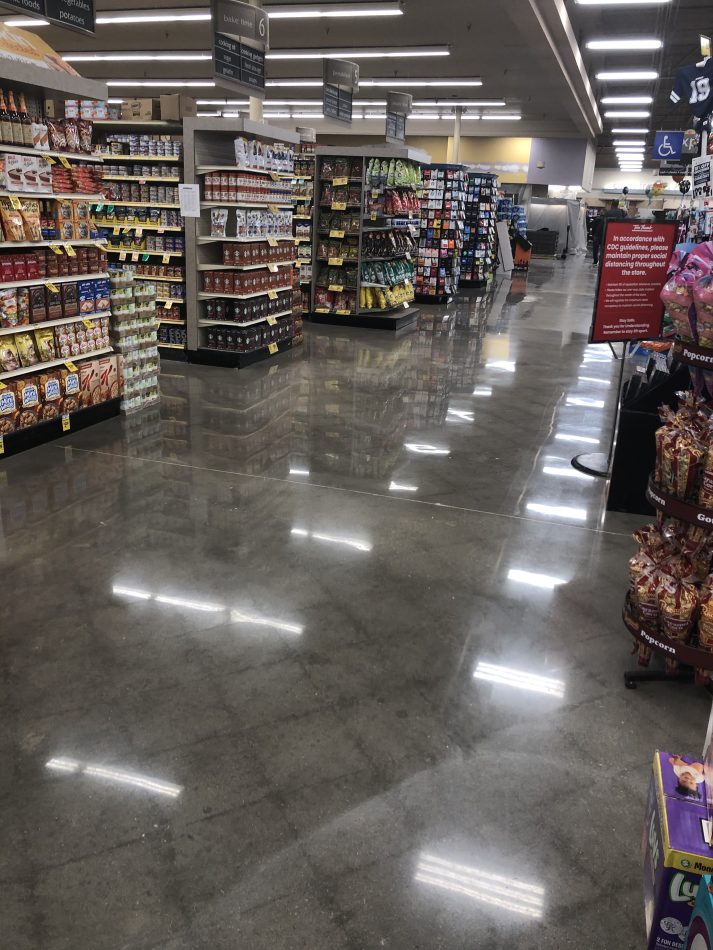


RetroGuard™ now in a ready-to-use (RTU) formula, provides ultimate stain and etch protection with a high-gloss finish. All the original and proven benefits, but with added convenience, efficiency, and strength. This topical coating is ideal for protecting concrete and terrazzo against staining and etching. When spills occur, RetroGuard’s protective layer shields the floor from immediate damage and extends the clean-up window before any permanent effects set in.
Sizes:
55 gal, 5 gal, 1 gal
Coverage Rates:
1,500–2,000 ft2/gal (37–50 m2/L)
Dilution:
Ready-to-use
Quick Links & Tools
Better Acid Resistance
5x more acid resistant than other guard products
Whitening Protection
Minimizes whitening risk on concrete with moisture issues
Time & Labor Savings
Saves time and labor for faster job completion
Ready-to-Use
No diluting or measuring – just open and apply
Consistent Results
Factory-set dilution ensures consistent results every time
No Straining Required
No straining necessary under proper storage conditions
Stain and Etch Defense
Ultimate stain and etch protection
Topical Sealer
Strong floor adhesion; does not peel or flake
Gloss & Shine Options
Creates high gloss and shine when burnished; cures without burnishing
Color Enhancement
Enhances floor color including dyes and aggregate
Outdoor-Ready
UV stable; may be used outdoors
Simple Maintenance
Can be re-applied anytime; does not require stripping
Protective Barrier
Creates sacrificial layer between spill and floor
Repair-Cost Savings
Reduces expensive and time-consuming stain repair
Broad Compatibility
Ideal for all Ashford Formula™ and RetroPlate® treated floors – new or old, standard or colored – and all concrete and terrazzo floors
Stain and Etch Defense
Ultimate stain and etch protection
Topical Sealer
Strong floor adhesion; does not peel or flake
Gloss & Shine Options
Creates high gloss and shine when burnished; cures without burnishing
Color Enhancement
Enhances floor color including dyes and aggregate
Outdoor-Ready
UV stable; may be used outdoors
Simple Maintenance
Can be re-applied anytime; does not require stripping
Protective Barrier
Creates sacrificial layer between spill and floor
Repair-Cost Savings
Reduces expensive and time-consuming stain repair
Broad Compatibility
Ideal for all Ashford Formula™ and RetroPlate® treated floors – new or old, standard or colored – and all concrete and terrazzo floors
RetroGuard Application
Read all instructions and SDS information before use.
Use appropriate safety equipment. Always test floor surface for suitability and desired results before overall application. Evaluate vapor transmission, or other potential concerns. Let surface dry thoroughly before inspection and approval.
Preparation
- Protect people, vehicles, property, plants and all surfaces not meant for treatment from product, residue, splashes, fumes and wind drift. Use polyethylene or other proven protective materials. Ensure fresh air entry and cross ventilation during application and drying.
- Remove any dirt, oil, grease, paint, waxes, efflorescence and surface sealers before application. For best results, clean the floor with CreteClean Plus with Scar Guard™ using an auto scrubber with blue or black pads, or a mop and bucket. RetroGuard can be applied 28 days after placement of the concrete.
- Surface & Air Temperature: Temperature should be between 40–80°F (4–26°C). RetroGuard applies, dries and cures more evenly on a cool floor. Avoid applying in direct sunlight. Use only in well-ventilated areas.
- Freezing: If there is any concern RetroGuard has been frozen at any point in time, the following steps will help ensure it is usable. Set the RetroGuard pail(s) in a warm water bath (72–76°F / 22–24°C) and allow the product to warm completely. Do not shock the product with extreme heat. When warm, remove the lid and stir the product with a large paint stir stick. Stir back and forth, in multiple directions, making sure to scrape the pail sides and bottom. This does not require high speed stirring with a mixing bit, or shaking, as this produces foam and adds air bubbles to the product.
- Equipment: Pump-up sprayer with adjustable conical tip (approximately 0.5 gpm), microfiber pad, propane burnisher with soft burnishing pad or diamond impregnated pad, and appropriate safety equipment.
- Coverage: On densified and densified-polished surfaces: approximately 1,500–2,000 ft²/gal (37–50 m²/L). Coverage rates vary with concrete porosity and level of polish. Suitability of the product for the floor in question must be determined by the applicator.
Standard Application Procedure
- RetroGuard is engineered as a ready-to-use formula and is shipped full strength. Do not dilute. Dilution may reduce the product’s ability to provide full stain and etch protection. Stir or mix well before use, but do not shake as shaking produces foam.
- Clean the floor with CreteClean Plus with Scar Guard using an auto scrubber with blue or black pads, or a mop and bucket. Application can begin once the floor is damp to the touch or completely dry.
- Fill the pump-up sprayer with RetroGuard. Spray/dampen the microfiber pad with RetroGuard so it can more easily move the product across the floor. Ensure that the microfiber pad is not too saturated or dry.
- Note: While straining is not typically necessary, extended exposure to air may cause RetroGuard to clump or become stringy. If this occurs, strain with a paint strainer to prevent sprayer clogging. Always reseal the container after use to maintain product quality.
- Apply RetroGuard using a pump-up sprayer, covering a wide area 4–5 ft (1.2–1.5 m) deep. Start at one edge of the floor and work backwards, away from wet product. Work in sections small enough to avoid stepping on freshly applied material, as this can cause shoes to become tacky and leave footprint ghosting once dry.
- Spread RetroGuard evenly with a damp microfiber pad, using a figure-eight motion to work the product into the floor. Make overlapping passes, and maintain a wet edge for a uniform appearance. If the microfiber pad begins to drag or feel tacky, rinse with water, wring out, and continue using the same pad.
- Following application, allow RetroGuard to dry for approximately 50–60 minutes. Burnish with a high-speed propane burnisher at 3/4 speed (approximately 1500 RPM) using a soft burnishing pad or diamond impregnated burnishing pad. Burnishing is not required to cure the product, but it does enhance the floor’s sheen.
- After application, rinse and flush all equipment thoroughly with clean water. Floors treated with RetroGuard may be opened to traffic after 12 hours under typical interior conditions. Protect the surface from standing or puddled water, or other liquids, for at least 48 hours.
Maintenance
- Do not use acidic cleaners or products containing sulfates or hydroxides.
- For best results, use CreteClean Plus with Scar Guard in auto scrubbers or mop buckets.
- Keep floors free of dirt and debris, and clean up spills promptly.
Estimate Your Coverage
RetroGuard Coverage Rate: 1,500–2,000 ft2/gal (37–50 m2/L)
Try These Picks

Get In Touch
Need pricing or more details? We’re ready to support your project and answer any questions you may have. Let’s keep the conversation going!